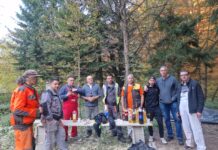

In an era when civic courage often feels extinguished by cynicism, Laznica stands as a rebuke.
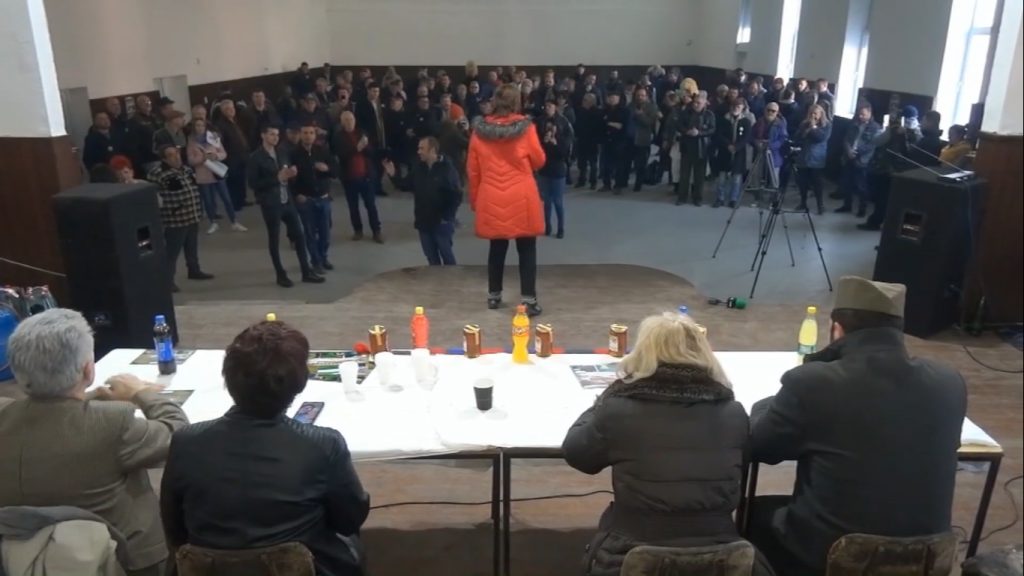
These are not professional activists. They are shepherds, retirees, parents of those eight first graders, people who had every reason to accept a payout and leave. Instead, they organized tribunes, filed international complaints, hosted scientists, welcomed solidarity caravans and students from across the country, and stared down a mining conglomerate worth hundreds of millions of dollars.
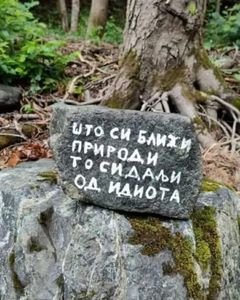
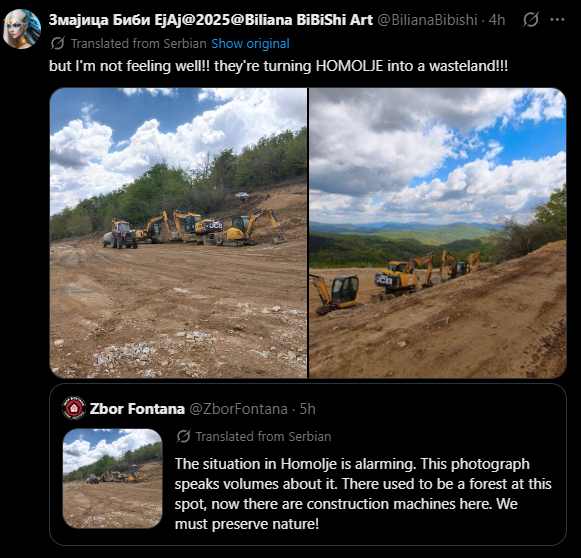
They have not won yet. The excavators may still come. But they have already achieved something that no spatial plan can map: they proved that a village of fewer than a two thousand souls can become a fortress. They showed that self-organization rooted in place, armed with law and science, and fired by an unyielding love of home is the last, best defense against the machinery of extraction.
If Homolje survives as more than a scar on a geological survey, it will be because Laznica decided, one winter evening in 2021, that some mountains are not for sale. And if Serbia ever rediscovers its democratic spine, it will find it first in places like this in the fire dances, the protest banners, and the unbreakable will of villagers who looked at a gold mine and chose life.
The fight for Homolje, as the Lazničani themselves say, is the fight for the direction this country will take. And that fight is not over.
to be continued …