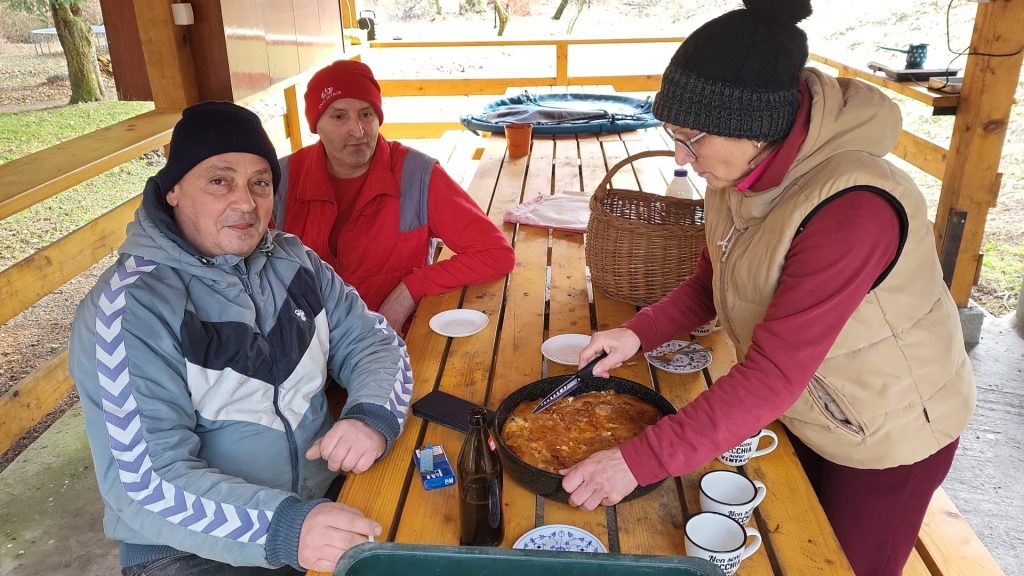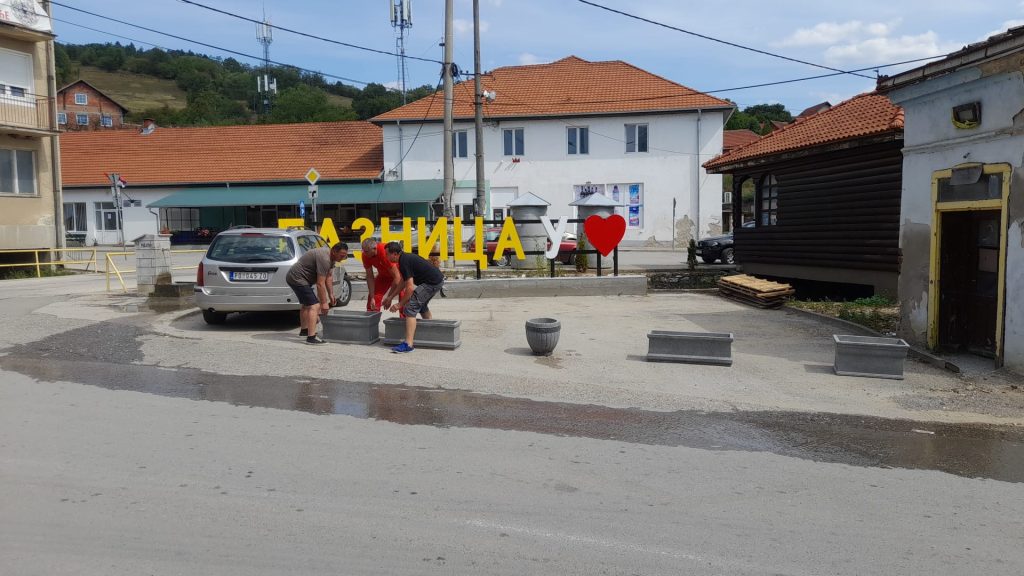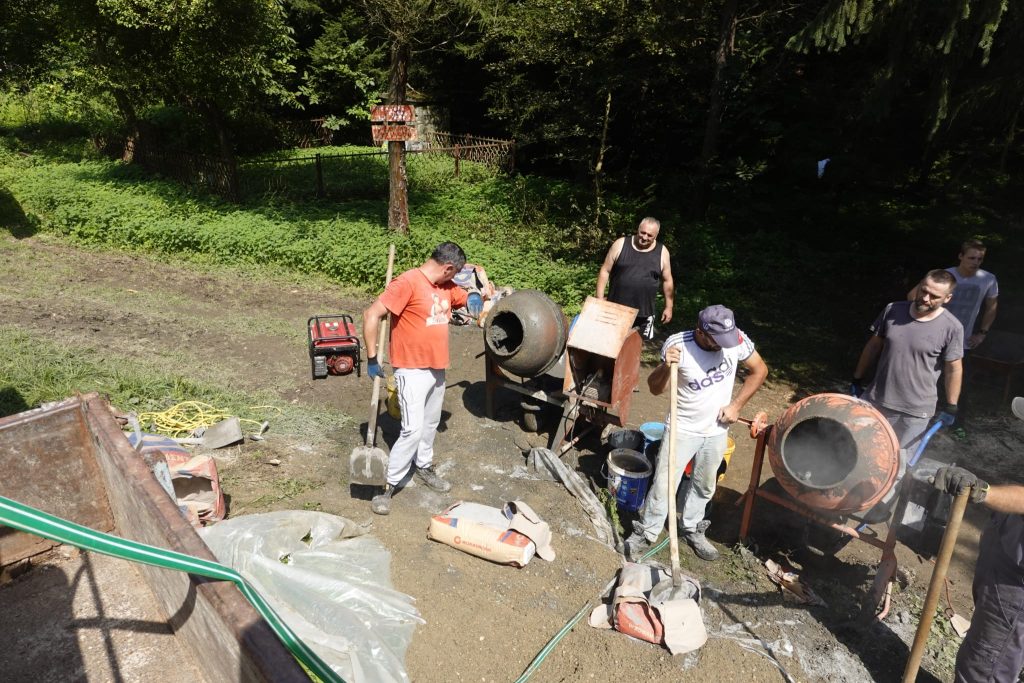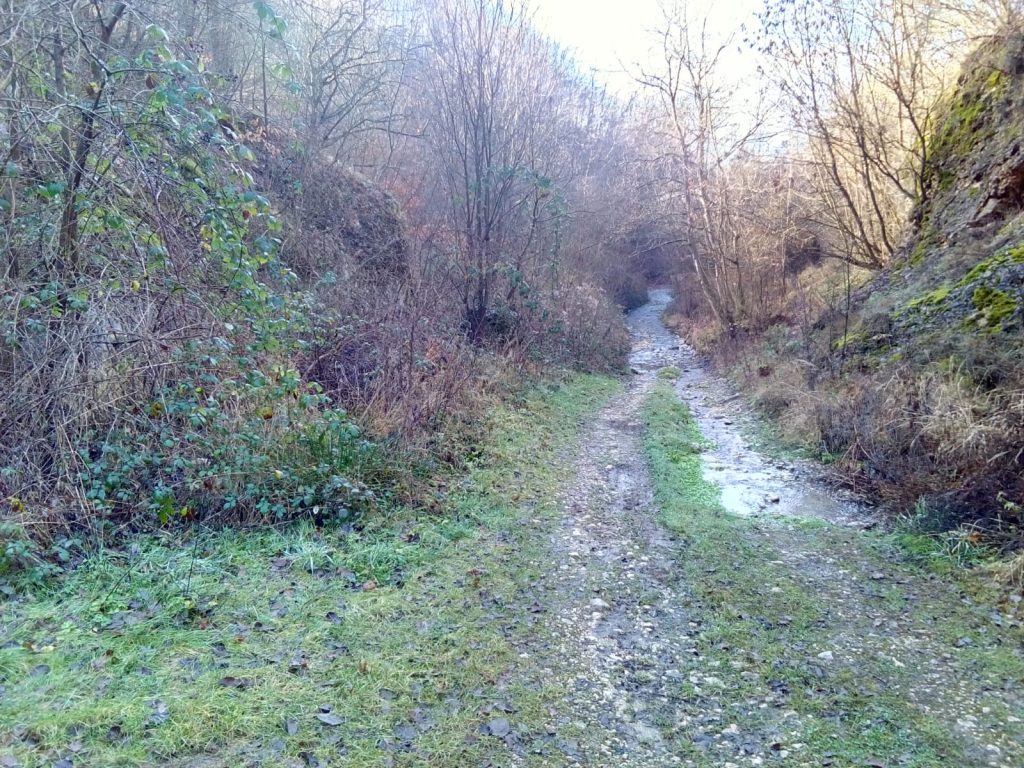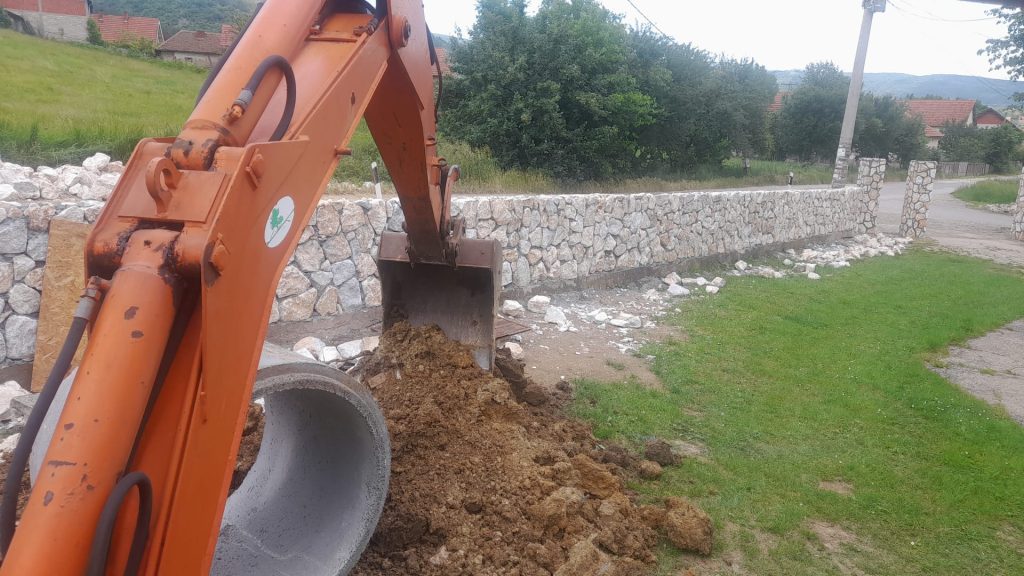

We are Ujedinjeni Lazničani – the United People of Laznica an informal citizens group made up of residents of Laznica, a highland village in the Homolje region of eastern Serbia, and of the Laznica diaspora scattered across Vienna Austria, Germany, Italy, France, Switzerland, Sweden and beyond. Since 2021 we have worked continuously on one objective: to stop the quiet disappearance of our village and to replace resignation with finished, visible, verifiable work. This is the record of what we have done.
Who We Are and Where We Come From
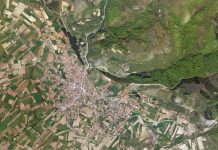
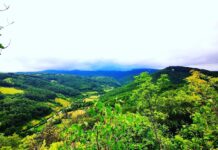
Laznica lies in the municipality of Žagubica, Braničevo District, at roughly 433 metres above sea level on the south-western slopes of the Homolje mountains. It is the largest settlement in Homolje after Žagubica and Krepoljin, and one of the oldest, appearing in the Ottoman Braničevo defter of 1467. Our population is overwhelmingly Orthodox Christian and of Vlach (Romanian) origin, and the 2002 census recorded 2,063 inhabitants. That number is the problem. Since the early 1990s, with the collapse of the Bor and Majdanpek mining economy and the service industries around it, Laznica has been losing people to Belgrade, to Vienna, Vicenza and to the labour markets of Western Europe.
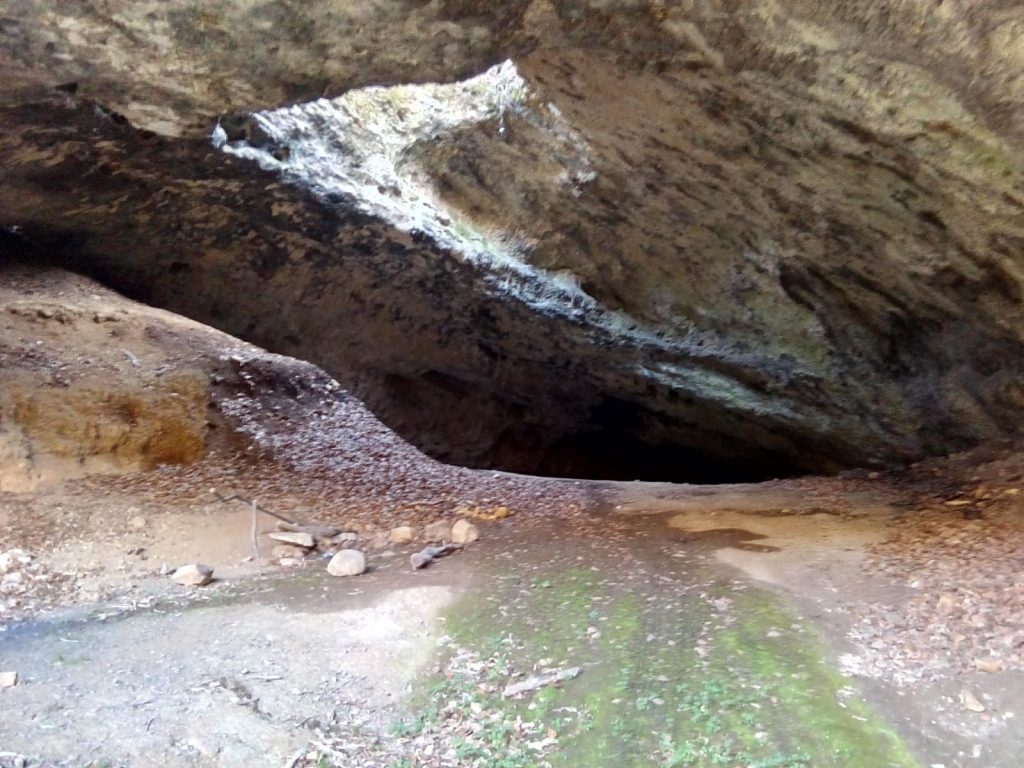
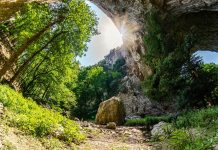
Our village still has a water supply and partial sewerage, a health clinic, a post office, a defunct petrol station, asphalted streets, a primary school through the eighth grade, and a defunct timber processing plant. In our fields stands Potajnica known locally as “Stojanje” — an intermittent karst spring whose water stops and starts according to the season one of the genuine natural rarities of eastern Serbia, Zdravsa stone mountain top, Crni Vrh top, the Jagina canyon and countless caves . We had, in other words, everything a village needs except the will to act together. That is what we set out to build.
2021: The Decision to Organise Instead of Complain
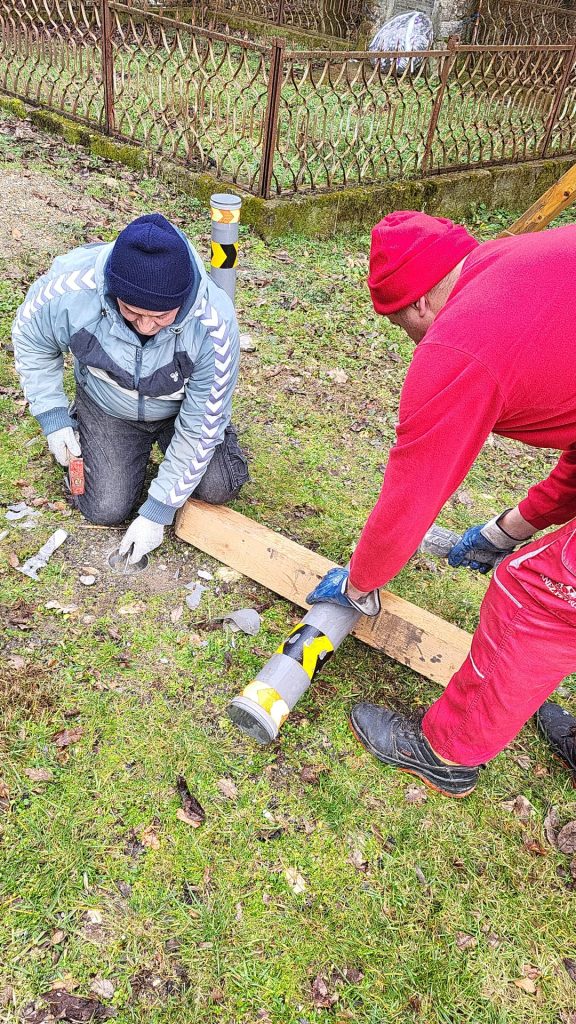
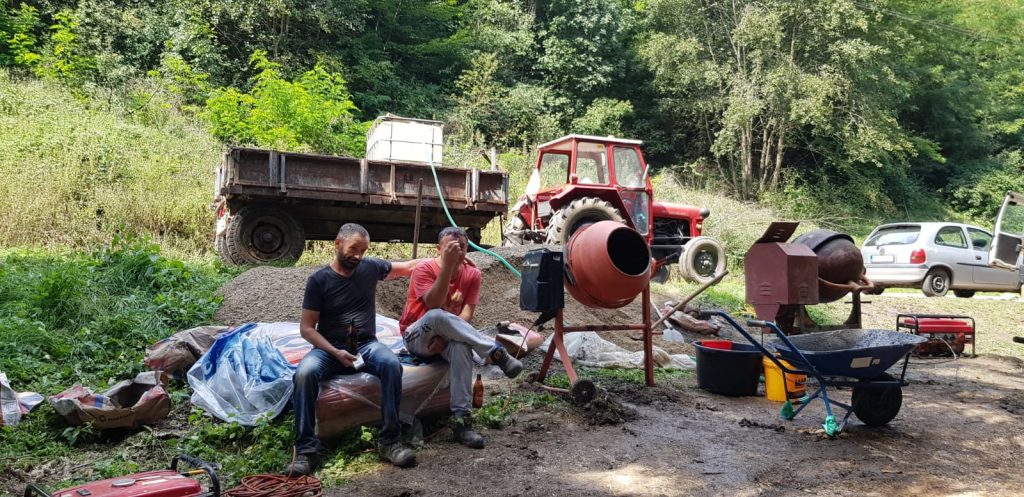
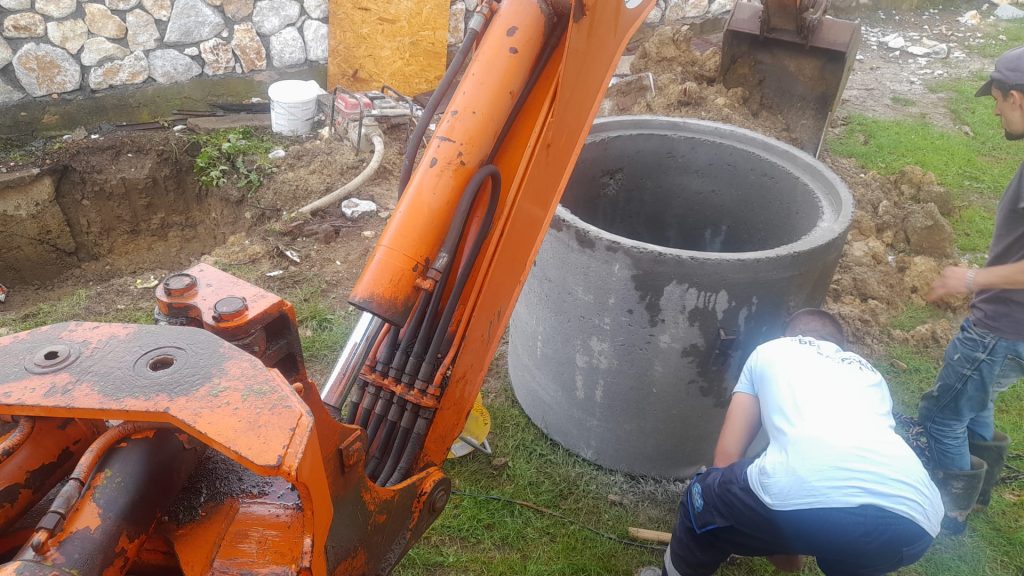
Our beginning was not a founding assembly. It was a series of conversations in the village, in Vienna kitchens, in diaspora group chats that reached the same conclusion from opposite ends of Europe. Complaint was free and had produced nothing. We decided that our unit of work would be the completed object: something a person could touch, sit on, drink from, or walk across. No committees, no letterheads, no waiting for the municipality.
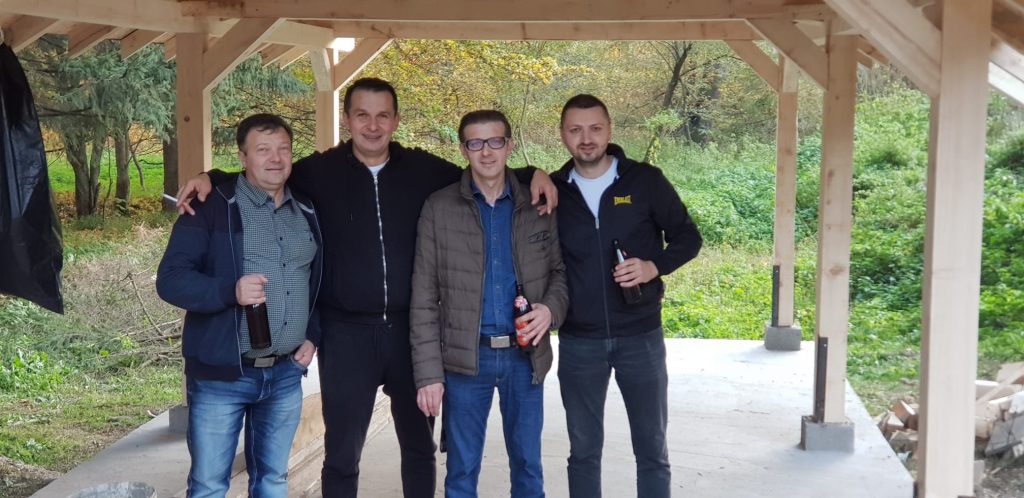
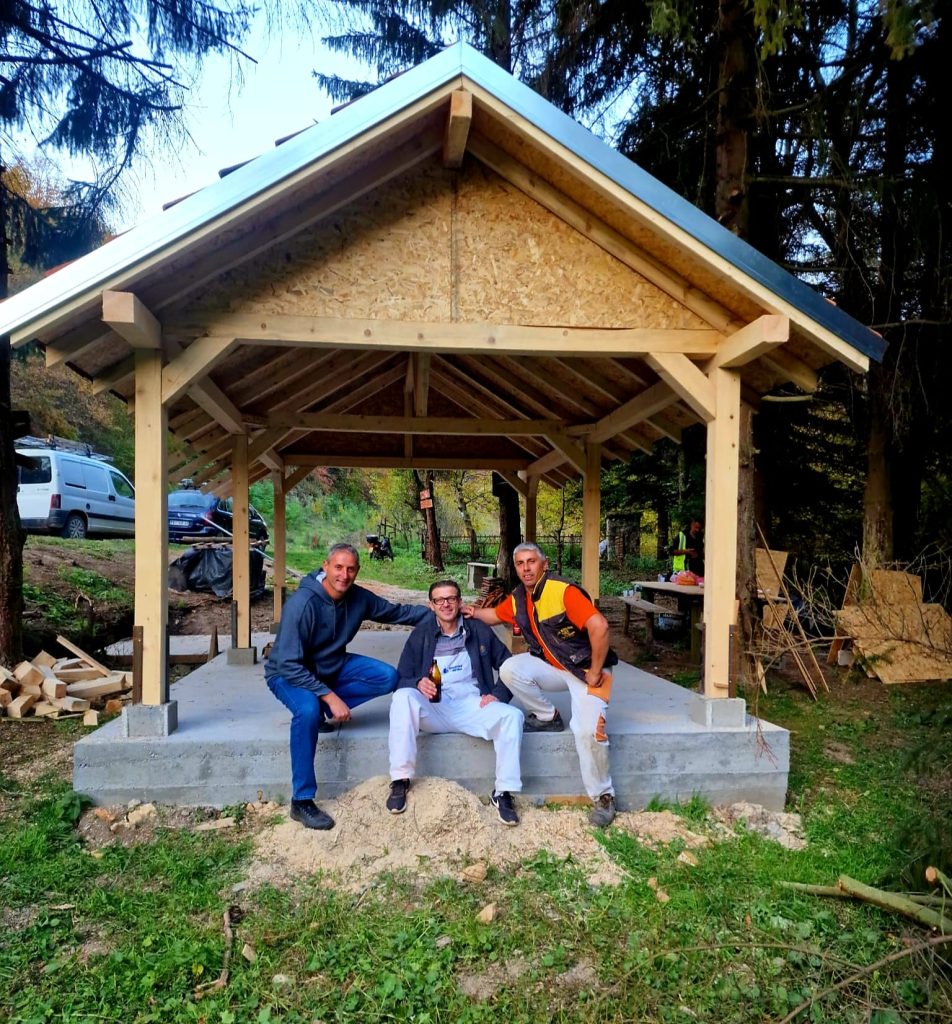
This principle has governed everything since. We are an informal group (neformalna grupa) by design. We have no payroll, no premises and no political affiliation. What we have is a village register of skills carpenters, masons, drivers, engineers, IT people and a diaspora willing to fund what the village builds.
2022: The First Completed Works in the Village Centre
Stone Tables and Benches in the Centre of Laznica
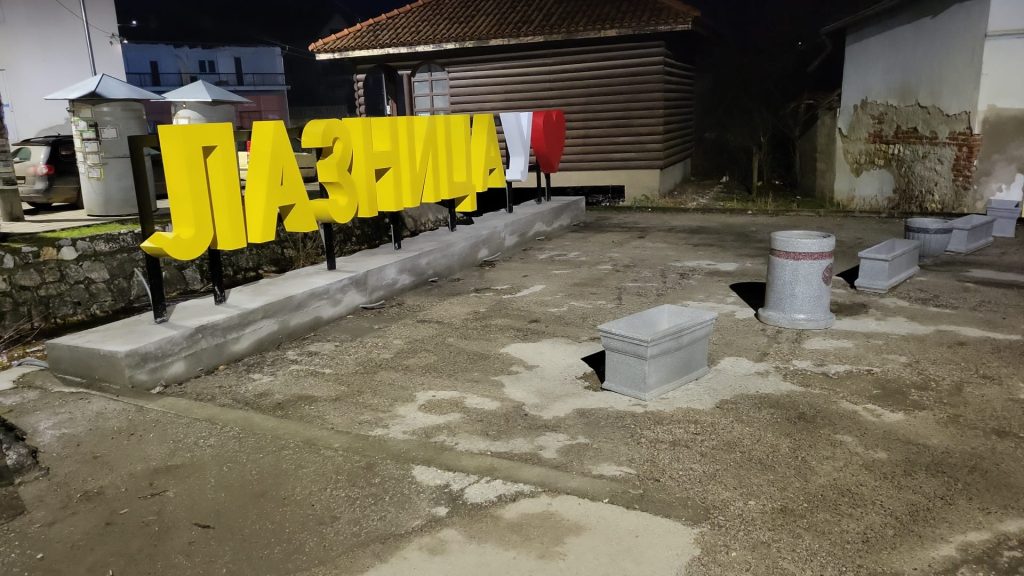
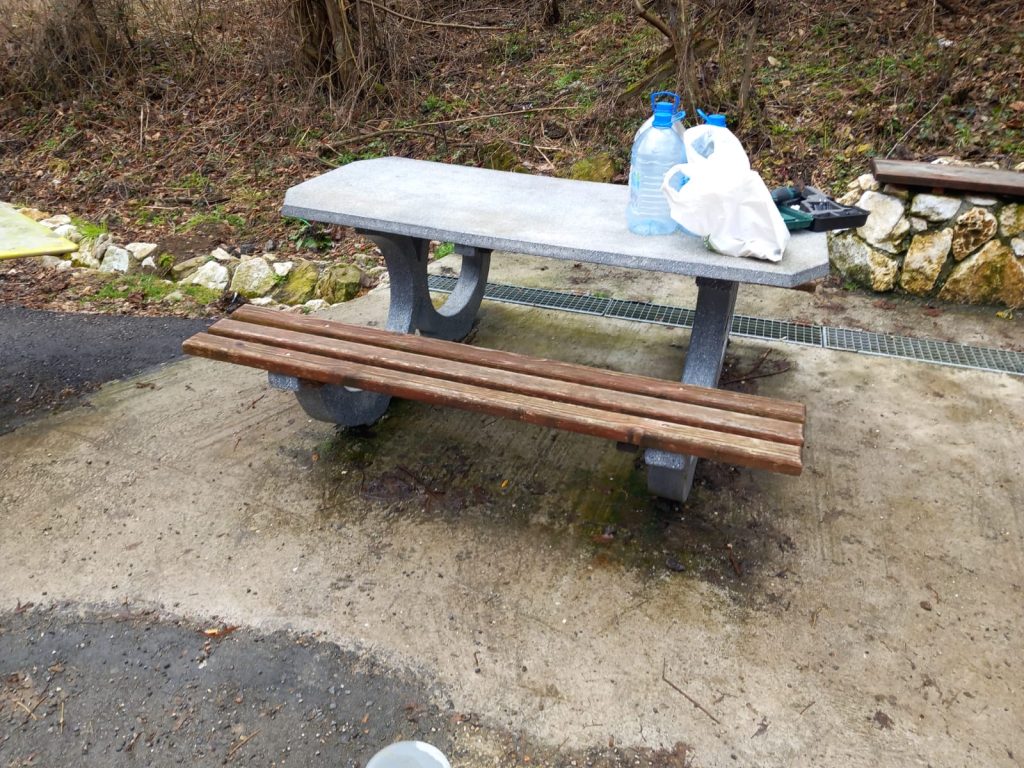
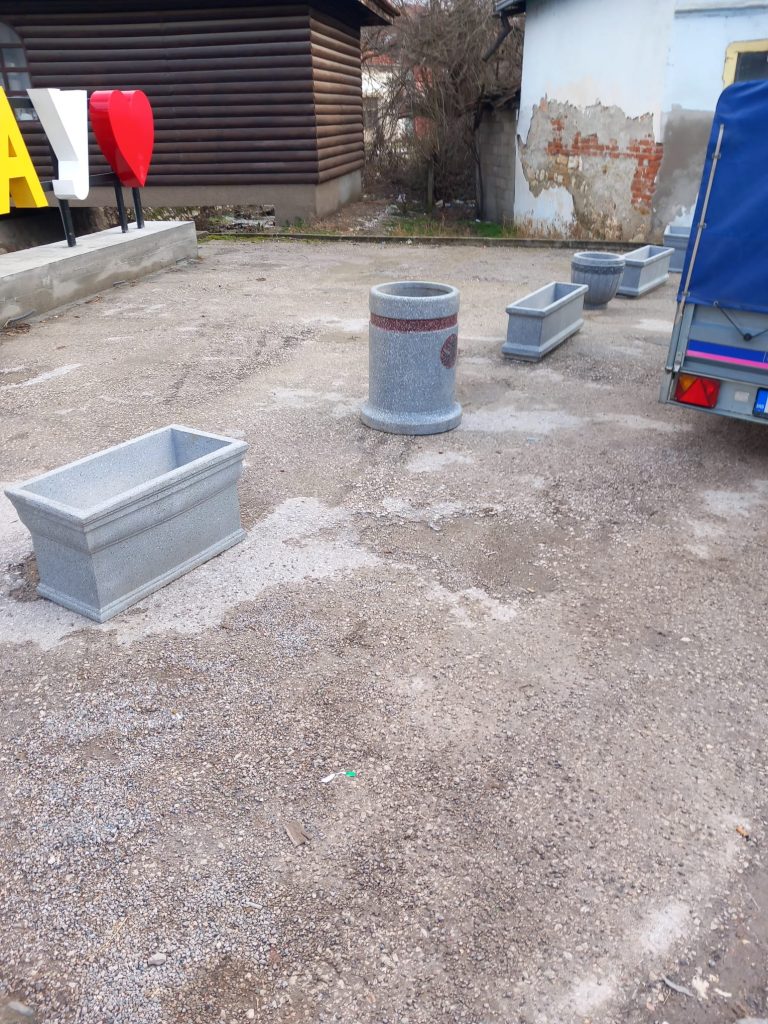
In late 2022 the Laznica diaspora purchased and installed stone tables and benches in the centre of the village. The choice of stone was deliberate. Wood in a public square in Homolje survives perhaps five winters; stone outlasts the people who set it down. It was our first statement that we were planning in decades, not in seasons. The centre of Laznica became, for the first time in years, a place where older residents could sit through an afternoon.
A Hand-Built Table and Benches for the Church of Laznica
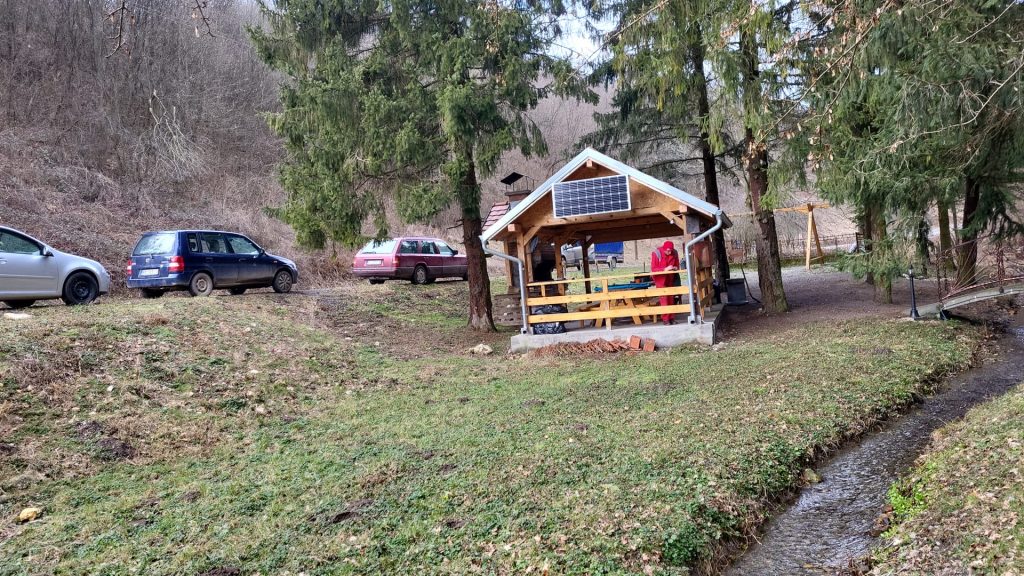
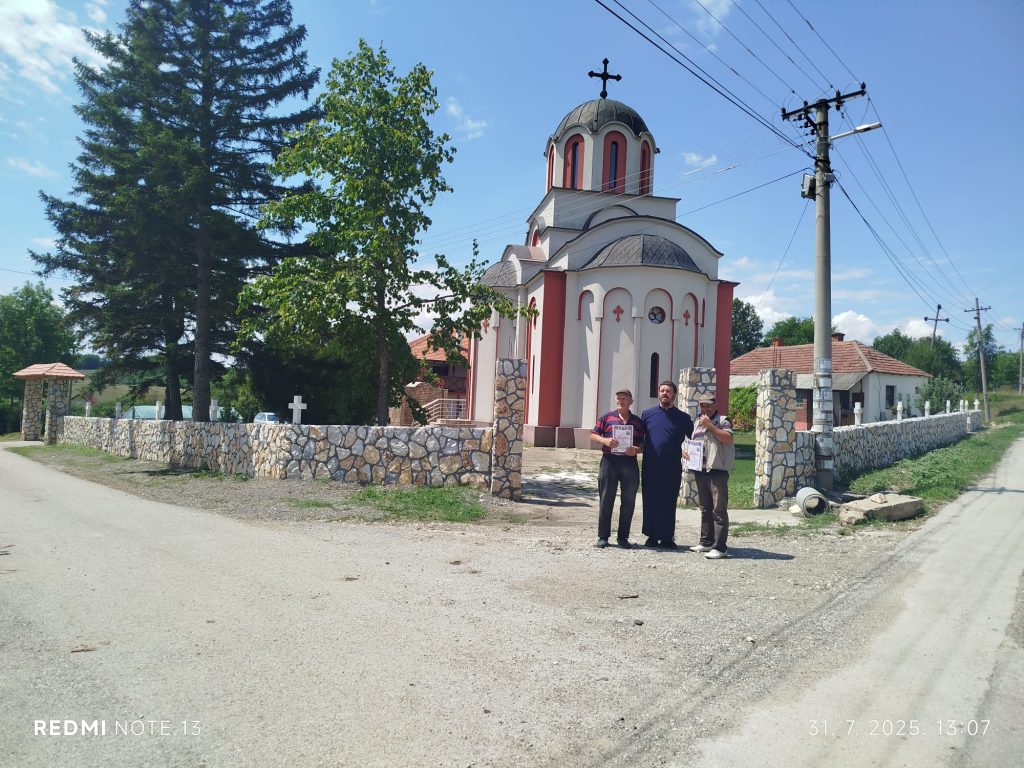
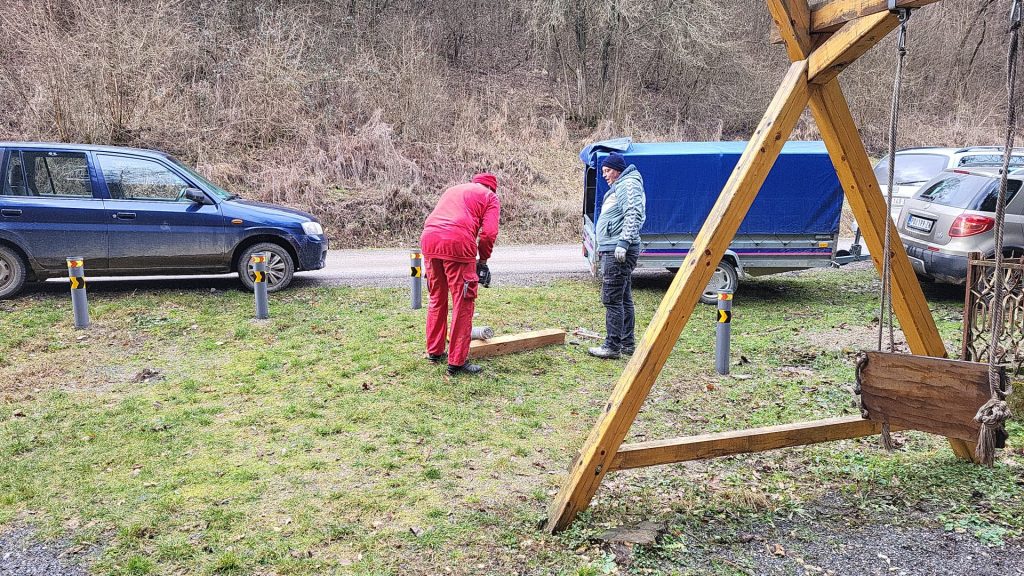
Shortly before that, we designed, built and delivered a solid wooden table with benches to Father Danilo for the church in Laznica — a joint undertaking of Ujedinjeni Lazničani from the village and from the diaspora. We mention it not because it was large but because of what it demonstrated: that our members could take a project from design through fabrication to delivery without external contractors, and that the Serbian Orthodox parish would work with us. In a village of our size, the church is not a symbol. It is the last remaining institution with universal reach.
Building the Digital Infrastructure: laznica.org
The same year we launched and have since maintained laznica.org, a portal run and financed entirely by volunteers originating from Laznica. Every text published there is original or is our own commentary accompanying a translation of foreign reporting. The site is organised the way we think about the village: a Fund section split into a small fund, a large Fund for Laznica, and a running list of what we still need; an Industry section covering reforestation, timber products, energy production, food production and tourism; sections on history, tradition, culture, the Vlach heritage of Homolje, and the diaspora; and most importantly Plan 2025, Plan 2030 and Plan 2050. We publish in Serbian, English, German and Romanian, because our community reads in four languages and our arguments need to reach Brussels and Vienna as readily as Žagubica.
2022: The People’s grasroot assemblies trying to prevent cyanide mining on top of Laznica fresh waters springs in Lipe and Tisnica
2023: The Petition for the Žagubica–Laznica–Majdanpek Road
In October 2023 we launched the petition for the reconstruction of the Žagubica–Laznica–Majdanpek road, addressed on behalf of the residents of Laznica, Homolje and the neighbouring settlements. This road is not a convenience. It is the artery that determines whether an ambulance reaches a house in time, whether a returning family can bring a car load of building material, and whether tourism in Homolje is physically possible. The petition was our first coordinated civic pressure campaign, and it moved us from building objects to making demands publicly, with signatures, on the record.
2023–2026: Defending Homolje Against Gold Mining
The most consequential work we have done concerns mining exploration in the Homolje hills. From 2023 onwards we have documented and contested plans that we regard not as “development” but as a short extraction cycle with permanent consequences. Our published analyses in Serbian, English and German set out how gold mining in Homolje threatens the Mlava spring, the Tisnica, and the drinking water sources of eastern Serbia, and why the karst hydrology beneath us means contamination travels faster and further than any environmental impact assessment admits. We built a dedicated “Laznica vs Dundee” archive for this campaign.
We understood early that this was, above all, an information fight. A village of two thousand people cannot out-lobby a mining corporation. It can, however, make the technical facts about its own aquifer available in four languages, permanently, and free.
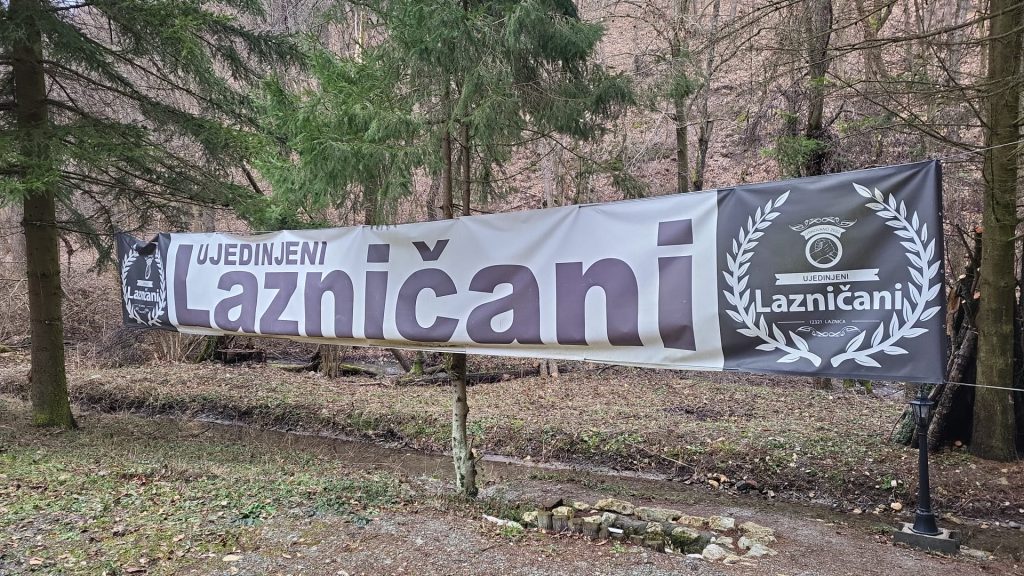
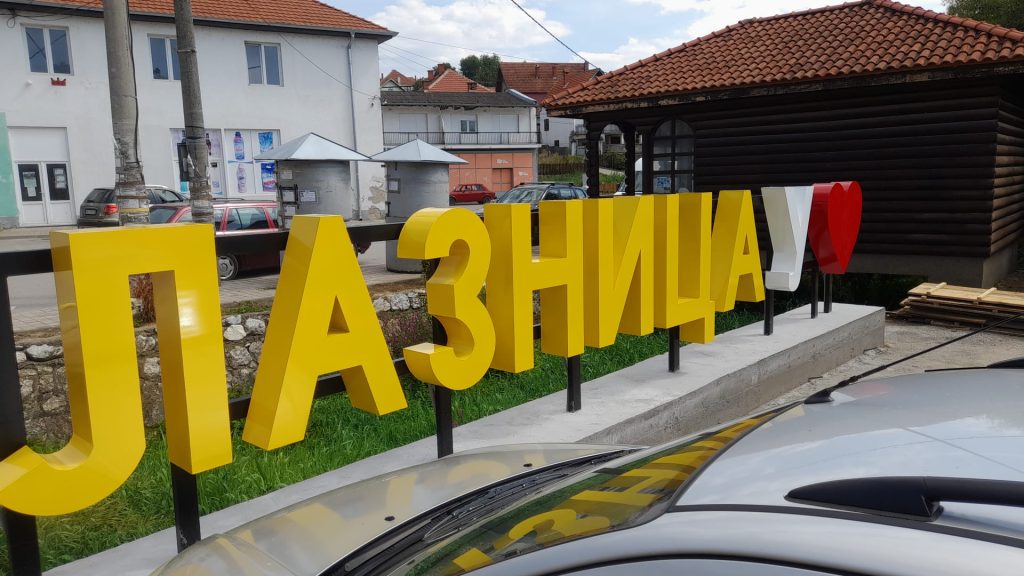
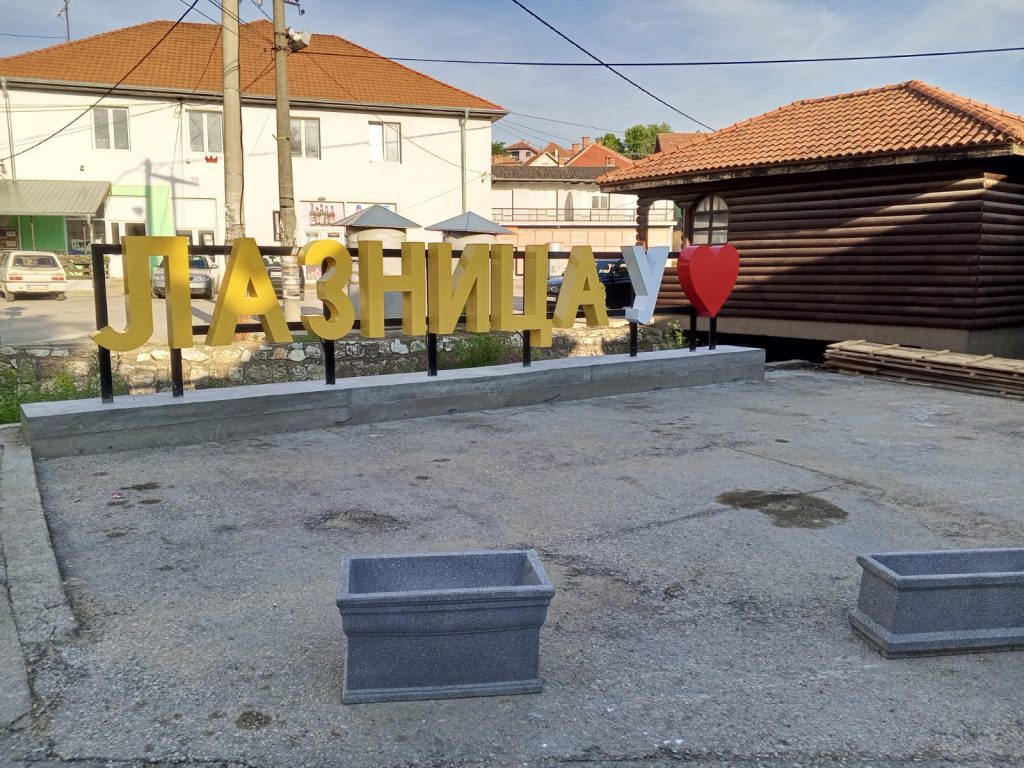
2024: Logo and online presence created and completed, long term plan of presence established

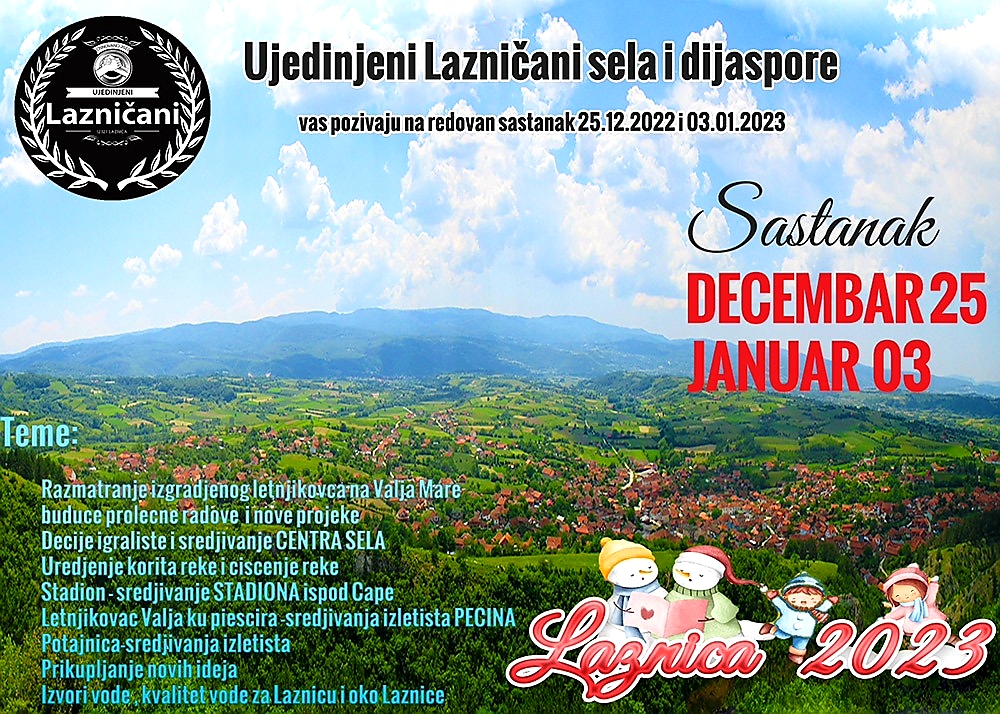
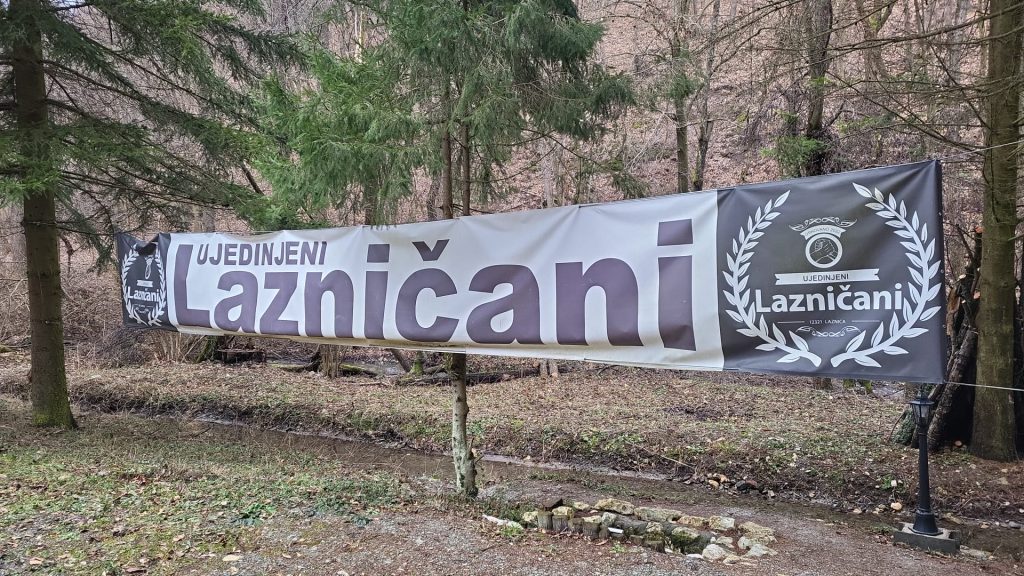
Design Ideas provided and monitored by Milija Pankalujić one of the founders and really a leading energetic driving force to create the group of people United Laznica. Designed and created by Damir Šerbanović Logo and posters were originalz created prepared for printing and used in all of future activities .
2024: European Union Support and the Restoration of the Old Village Fountain
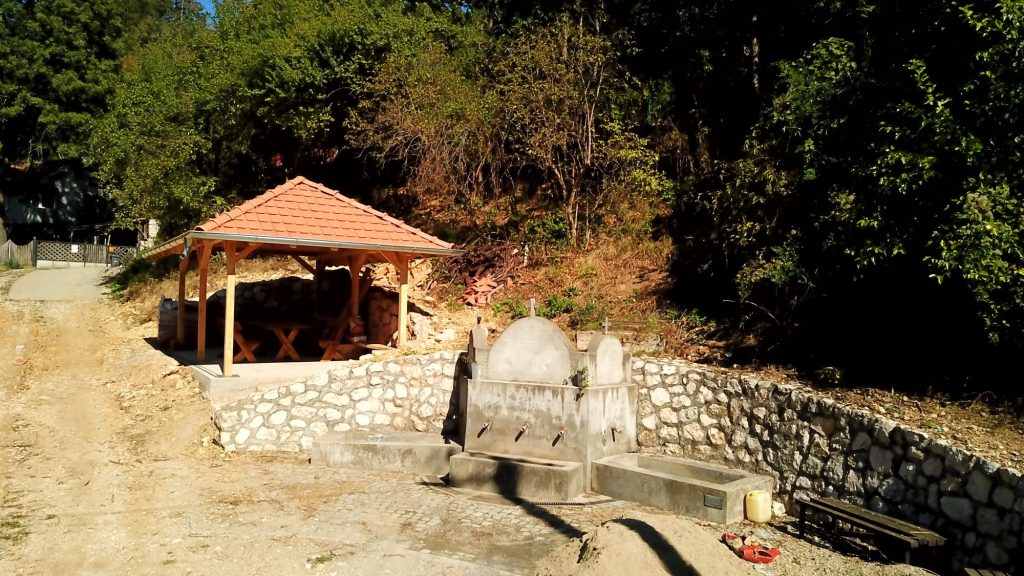
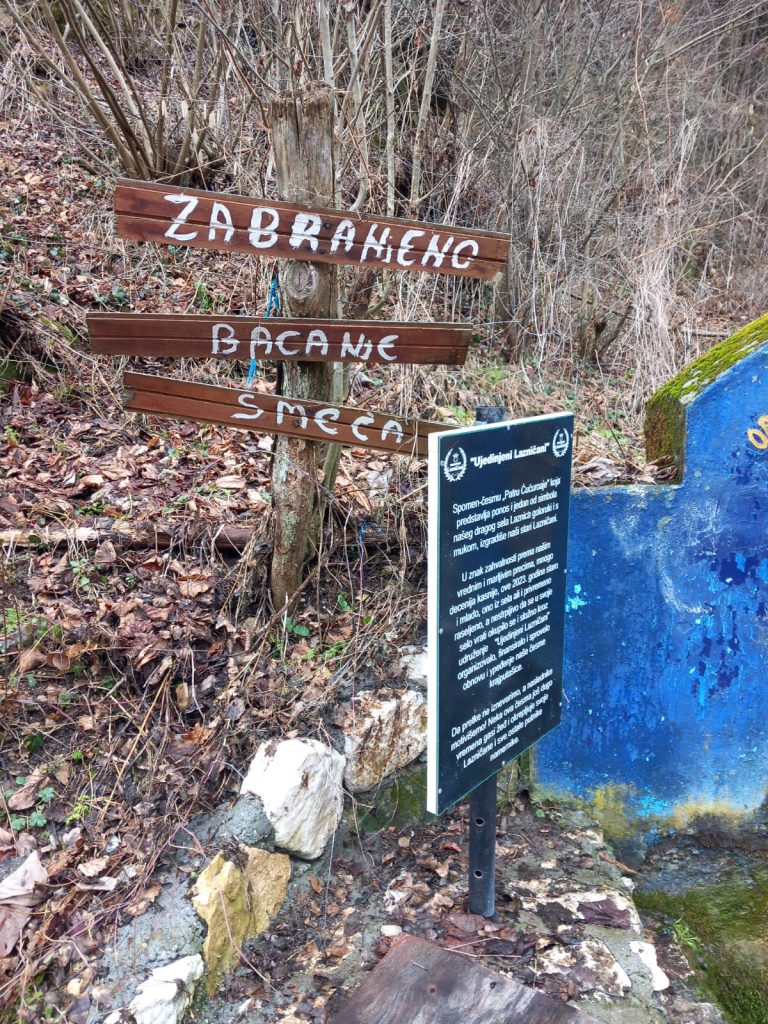
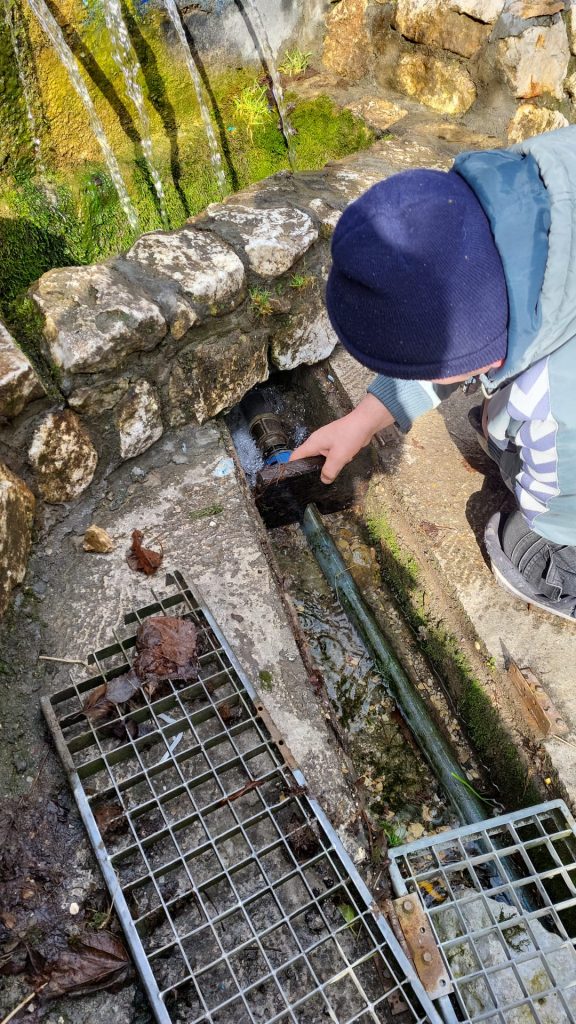
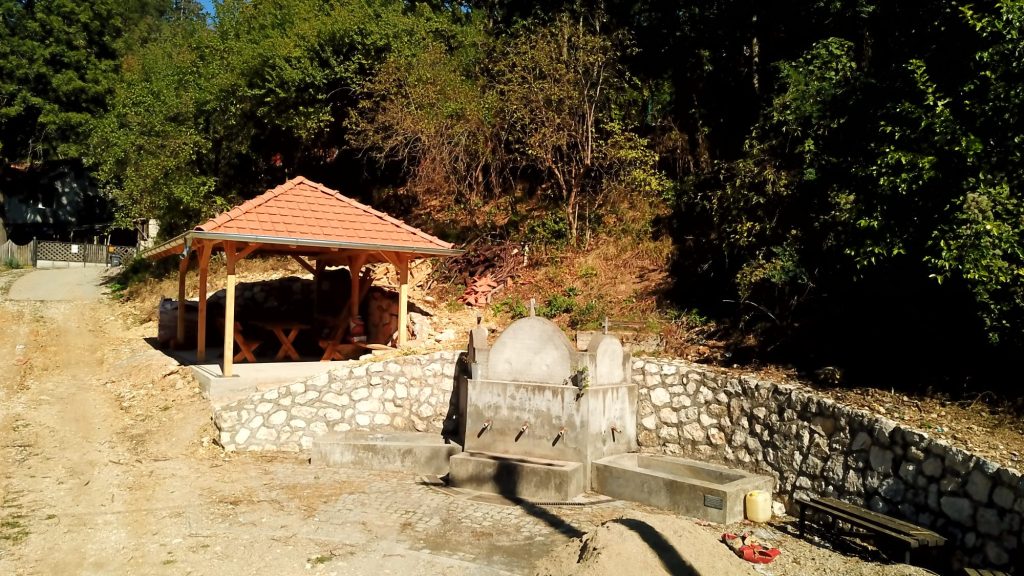
In 2024 Ujedinjeni Lazničani were selected for financial support under the EU Resource Centre for Civil Society in Serbia, a project implemented by the Belgrade Open School and funded by the European Union, with TOC – the Association for Sustainable Community Development from Zaječar acting as our intermediary organisation. Our approved project was the restoration of the old village fountain (Uređenje stare seoske česme).
This mattered to us for two reasons. First, the česma is the oldest form of shared public property a Vlach village possesses — the place where water, obligation and neighbourliness meet. Second, the grant confirmed that an informal group of villagers and emigrants, with no legal personality and no professional fundraisers, can meet European standards of project design, budgeting and reporting. We were listed alongside groups from Sekuri, Kučevo, Zaječar, Gložane, Bor, Zlatovo, Sumrakovac and Požarevac — proof that the same reawakening is happening across eastern Serbia.
Our Method: Why Small Finished Projects Beat Large Announcements
Anyone can promise a village a factory. We have instead applied four rules consistently since 2021:
- Finish what you start. A completed bench earns more trust than an unfinished strategy.
- Pair village labour with diaspora capital. Those who left fund; those who stayed build. Both remain Lazničani.
- Document everything publicly. Photographs, costs and outcomes go on laznica.org, and whatsap groups, forums and scial media and in multiple languages.
- Keep the horizon long. Our published plans run to 2050, because reforestation, timber industry, energy and food production in Homolje cannot be judged on a four-year electoral cycle.
What Comes Next for Laznica and Homolje
Our agenda is unchanged and unfinished: Fixing the Village issues, permanent protection of the Homolje water sources, reconstruction of the road infrastructure, reforestation and sustainable timber production, small-scale food production and rural tourism built around Potajnica and the Homolje highlands, and a return programme for diaspora families who want their children to know the village as more than a summer address.
We are not waiting to be rescued. We are Ujedinjeni Lazničani, and we are rebuilding Laznica ourselves.