
HomeHomolje„Izvoli plati pa kopaj" — In Memoriam Slađan Mladenović

„Izvoli plati pa kopaj” — In Memoriam Slađan Mladenović

„Izvoli plati pa kopaj” — In Memoriam Slađan Mladenović

Pay First, Then Dig — the man who asked the questions Erst zahlen, dann graben — der Mann, der die Fragen stellte


In Memoriam

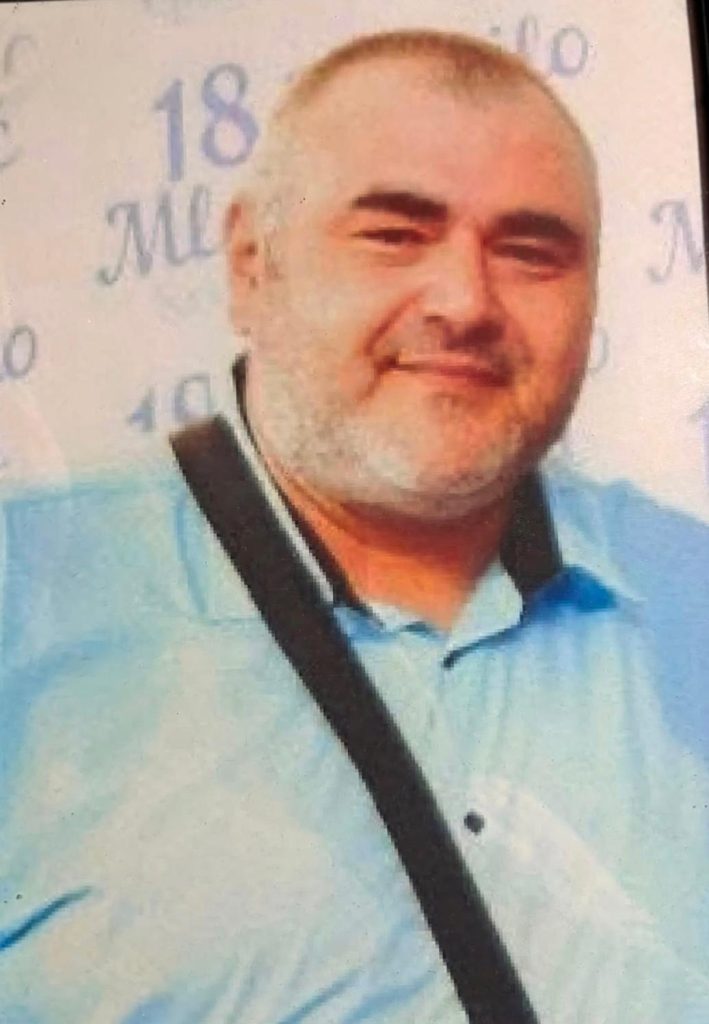
Slađan Mladenović

17/06/1974 – 11/06/2025

Napustio nas je Slađan Mladenović — Lazničanin, domaćin, čovek koji je umeo da „malo talasa” onda kada je ćutanje bilo najskuplje. U maju 2022. godine, dok su drugi sa ekskurzije u Bugarsku donosili lepe utiske o „eko rudniku”, Slađan je doneo pitanja. Nije vikao, nije vređao — pitao je. A njegova pitanja i danas stoje kao stražari iznad Homolja: ko garantuje, ko plaća, i šta ostaje nama i našoj deci kada mašine odu? Njegova kuća stoji u ugroženom području. Njegova reč stoji uz nju. Ovaj tekst objavljujemo da ta reč ne utihne.
English

We have lost Slađan Mladenović — a son of Laznica, a man of the house and the land, someone who knew how to “make a few waves” precisely when silence was the most expensive choice. In May 2022, while others returned from the excursion to Bulgaria carrying pleasant impressions of an “eco mine,” Slađan returned carrying questions. He did not shout, he did not insult — he asked. And his questions still stand today like sentries above Homolje: who guarantees, who pays, and what remains for us and our children when the machines leave? His house stands in the endangered area. His word stands beside it. We publish this text so that his word does not fall silent.

Deutsch

Wir haben Slađan Mladenović verloren — einen Sohn von Laznica, einen Mann des Hauses und des Bodens, einen, der es verstand, „ein bisschen Wellen zu machen”, genau dann, wenn Schweigen am teuersten gewesen wäre. Im Mai 2022, während andere von der Exkursion nach Bulgarien mit schönen Eindrücken vom „Öko-Bergwerk” heimkehrten, kehrte Slađan mit Fragen heim. Er schrie nicht, er beleidigte niemanden — er fragte. Und seine Fragen stehen bis heute wie Wächter über dem Homolje: Wer garantiert, wer zahlt, und was bleibt uns und unseren Kindern, wenn die Maschinen abziehen? Sein Haus steht im gefährdeten Gebiet. Sein Wort steht daneben. Wir veröffentlichen diesen Text, damit sein Wort nicht verstummt.


Njegove reči · His Words · Seine Worte

Iz dva teksta objavljena 17. maja 2022. na laznica.org · From two posts published on 17 May 2022 on laznica.org · Aus zwei Beiträgen, veröffentlicht am 17. Mai 2022 auf laznica.org

1. Prvo pitanje · The First Question · Die erste Frage

SR: „Ali mi nije jasno kako može da postoji jedan takav rudnik bez flotacije? Ili imamo neku vanzemaljsku tehnologiju?”

EN: “But it is not clear to me how such a mine can exist without flotation. Or do we have some alien technology?”

DE: „Aber mir ist nicht klar, wie es so ein Bergwerk ohne Flotation geben kann. Oder haben wir etwa eine außerirdische Technologie?”

2. Zakoni na papiru · Laws on Paper · Gesetze auf dem Papier

SR: „Pa Srbija ima svoje solidno dobre zakone i pravila za rudarenje, a koliko se sprovode imamo primer u Boru i Majdanpeku. […] Pa koje, kakve i ko daje garancije da će se poštovati ti zakoni koje imamo?”

EN: “Serbia has its own solidly good laws and rules for mining — and how well they are enforced, we can see from the example of Bor and Majdanpek. […] So what guarantees, of what kind, and given by whom, that the laws we do have will be respected?”

DE: „Serbien hat durchaus gute Gesetze und Regeln für den Bergbau — und wie sie eingehalten werden, sehen wir am Beispiel von Bor und Majdanpek. […] Also: Welche Garantien, was für welche, und wer gibt sie uns, dass die Gesetze, die wir haben, auch eingehalten werden?”

3. Zlatni depozit · The Golden Deposit · Die goldene Kaution

SR: „Da smo jasni, ja sam apsolutno protiv rudnika, a u dobre namere kanadske kompanije Dandi može me samo uveriti ako stave depozit u zlatu u vrednosti na koju je procenjeno celo Homolje i sve ono što je usput ugroženo. Ali da se taj depozit stavi lično eventualno ugroženom stanovništvu u ruke, ne političarima i vlastima, jer će nestati… Pa onda neka kopaju, a svako drvo, grančica, travka i sve što bude uništeno da se naplati.”

EN: “To be clear: I am absolutely against the mine. The Canadian company Dundee can convince me of its good intentions only by placing a deposit in gold equal to the assessed value of all of Homolje and everything endangered along the way. And that deposit must be placed directly into the hands of the endangered population — not of politicians and authorities, because there it would disappear… Then let them dig — and let every tree, every branch, every blade of grass, everything destroyed, be charged.”

DE: „Damit wir uns klar verstehen: Ich bin absolut gegen das Bergwerk. Von den guten Absichten der kanadischen Firma Dundee kann mich nur eines überzeugen: eine Kaution in Gold, im geschätzten Wert des gesamten Homolje und all dessen, was dabei gefährdet wird. Und diese Kaution gehört direkt in die Hände der betroffenen Bevölkerung — nicht in die der Politiker und Behörden, denn dort würde sie verschwinden… Dann sollen sie graben — und jeder Baum, jeder Zweig, jeder Grashalm, alles, was zerstört wird, soll bezahlt werden.”

4. Duševna bol · The Pain of the Soul · Das Leid der Seele

SR: „Nije samo vrednost zemljišta i svega što ima na tom zemljištu — ima i duševne boli. Izvoli plati pa kopaj!”

EN: “It is not only the value of the land and everything on it — there is also the pain of the soul. Pay first, then dig!”

DE: „Es geht nicht nur um den Wert des Bodens und all dessen, was darauf steht — es gibt auch das Leid der Seele. Erst zahlen, dann graben!”

5. Posle deset godina · After Ten Years · Nach zehn Jahren

SR: „…a ostali da nemaju ni para, ni posla nakon 10 godina, ni vode za piti, ni bašte za saditi, ni voća za obrati… Ne razumem da podržavate u dogledno vreme vaše uništenje, a sve zbog profita prvenstveno kanadske kompanije i nekoliko desetina ljudi koji bi bogato hteli da prodaju nasleđenu zemlju. A čemu se vi ostali nadate?”

EN: “…while the rest are left, after ten years, with no money, no work, no water to drink, no garden to plant, no fruit to pick… I do not understand how you can support your own destruction in due time — all for the profit of, above all, a Canadian company and a few dozen people who would like to sell their inherited land richly. And you others — what exactly are you hoping for?”

DE: „…während die anderen nach zehn Jahren dastehen — ohne Geld, ohne Arbeit, ohne Wasser zum Trinken, ohne Garten zum Anbauen, ohne Obst zum Ernten… Ich verstehe nicht, wie man die eigene Zerstörung auf absehbare Zeit unterstützen kann — alles für den Profit vor allem einer kanadischen Firma und einiger Dutzend Leute, die ihr geerbtes Land teuer verkaufen möchten. Und ihr anderen — worauf hofft ihr eigentlich?”

6. Odrasli ljudi ili đaci prvačići? · Grown People or First-Graders? · Erwachsene oder Erstklässler?

SR: „Da li su tamo otišli odrasli ljudi koji su trebali da prenesu realnu sliku sa terena, ili su se ponašali kao đaci prvačići koje vodaju gde su oni hteli i pokazali im šta su oni hteli, malo se slikali na obroncima predivnog rudnika i nazad kući prepuni pozitivnih utisaka, a ako neko iskoči iz reda — učitelj ili učiteljica podvikne?”

EN: “Did grown people go there, people who were supposed to bring back a true picture from the ground — or did they behave like first-graders, led wherever the hosts wanted, shown whatever the hosts wanted, taking a few photos on the slopes of the beautiful mine and heading home full of positive impressions — and if anyone steps out of line, the teacher snaps at them?”

DE: „Sind dorthin erwachsene Menschen gefahren, die ein wahres Bild von vor Ort mitbringen sollten — oder haben sie sich wie Erstklässler benommen, die man führt, wohin man will, denen man zeigt, was man will, die ein paar Fotos an den Hängen des wunderschönen Bergwerks machen und voller positiver Eindrücke heimkehren — und wenn einer aus der Reihe tanzt, ruft ihn der Lehrer oder die Lehrerin zur Ordnung?”

7. Sa kim vi hoćete · Whom You Choose · Mit wem ihr wollt

SR: „Da li je ijedan od vas tražio da razgovara sa meštanima koji žive u blizini rudnika i sa radnicima koji rade u samom rudniku? Ali ne da oni dovedu neke podobne ljude, nego da vama pokažu gde se nalaze ti ljudi, a vi da nasumično odaberete sa kim hoćete da razgovarate. Da li se tako nešto slučajno desilo? Nije? A zašto?”

EN: “Did a single one of you ask to speak with the locals who live near the mine, and with the workers inside the mine itself? Not with ‘suitable people’ brought to you — but so that they show you where those people are, and you choose at random whom to talk to. Did anything like that happen, by any chance? No? And why not?”

DE: „Hat auch nur einer von euch verlangt, mit den Anrainern des Bergwerks zu sprechen und mit den Arbeitern im Bergwerk selbst? Nicht mit ‚geeigneten Leuten’, die man euch vorführt — sondern so, dass man euch zeigt, wo diese Menschen sind, und ihr selbst, nach dem Zufall, auswählt, mit wem ihr reden wollt. Ist so etwas zufällig geschehen? Nein? Und warum nicht?”

8. Test trpeze · The Dinner-Table Test · Die Frage am Esstisch

SR: „Iskreno, pošto ste uvereni u toliku čistoću tog rudnika — da li biste se vi i vaša porodica hranili namirnicama, voćem, povrćem, mesom… koje je odgajano u samoj blizini tog rudnika–kopa?”

EN: “Honestly — since you are so convinced of that mine’s cleanliness, would you and your family eat food — fruit, vegetables, meat — raised right beside that mine, that pit?”

DE: „Ganz ehrlich: Wenn ihr so überzeugt seid von der Sauberkeit dieses Bergwerks — würdet ihr und eure Familie Lebensmittel essen, Obst, Gemüse, Fleisch, das in unmittelbarer Nähe dieser Grube gewachsen und aufgezogen worden ist?”

9. Majstori u kući · The Workmen in the House · Die Handwerker im Haus

SR: „Ovo su pitanja koja bi svako postavio, ne samo protivnici rudnika — jer kad vam dođu u kuću majstori, da li pitate šta, kako i koliko će uništiti dok to odrade? Ili ih jednostavno pustite da rade kako oni hoće, pa makar i celu kuću razbili i rasturili zauvek?”

EN: “These are questions anyone would ask, not only opponents of the mine — because when workmen come to your house, don’t you ask what, how, and how much they will destroy while doing the job? Or do you simply let them work as they please — even if they smash and wreck the whole house forever?”

DE: „Das sind Fragen, die jeder stellen würde, nicht nur die Gegner des Bergwerks — denn wenn Handwerker zu euch ins Haus kommen, fragt ihr da nicht, was, wie und wie viel sie kaputt machen werden, bis die Arbeit getan ist? Oder lasst ihr sie einfach machen, wie sie wollen — und wenn sie euch das ganze Haus für immer zerschlagen?”

10. Njegova kuća, njegova briga · His House, His Concern · Sein Haus, seine Sache

SR: „Samo sam im postavio pitanja koja me i te kako interesuju, pošto se i moja kuća nalazi u direktno ugroženom području. Bez obzira što trenutno nisam u Srbiji, tiče me se i te kako šta će se tamo dešavati, bez obzira na bilo čije mišljenje u vezi toga.”

EN: “I have only asked them the questions that very much concern me, since my house too stands in the directly endangered area. Even though I am not in Serbia at the moment, what happens there concerns me deeply — regardless of anyone’s opinion about that.”

DE: „Ich habe ihnen nur die Fragen gestellt, die mich sehr wohl betreffen, denn auch mein Haus steht im unmittelbar gefährdeten Gebiet. Auch wenn ich derzeit nicht in Serbien bin, geht es mich sehr wohl etwas an, was dort geschehen wird — ganz gleich, was irgendwer darüber denkt.”

11. Život, smrt, opstanak · Life, Death, Survival · Leben, Tod, Überleben

SR: „…jer se ovde ipak radi o životu, smrti i opstanku nas na tom području u Homolju. […] E pa neće moći — za ovo trebaju daleko čvršći dokazi od tvrdnje par nekompetentnih ljudi iz oblasti rudarstva. Ovako ne može da prođe nikako!”

EN: “…because this is, after all, about life, death, and our survival in that part of Homolje. […] Well, that will not do — for this, far firmer proof is needed than the claims of a few people with no competence in mining. It cannot pass like this — not in any way!”

DE: „…denn hier geht es letztlich um Leben, Tod und unser Überleben in diesem Teil des Homolje. […] Nein, so geht das nicht — dafür braucht es weitaus härtere Beweise als die Behauptungen einiger Leute ohne jede Fachkenntnis im Bergbau. So kann das keinesfalls durchgehen!”

12. Njegov pozdrav · His Farewell Line · Sein Gruß

SR: „Nek nam je srećno — ipak rudnik ne damo!”

EN: “Good fortune to us all — but the mine we will not allow!”

DE: „Viel Glück uns allen — aber das Bergwerk, das geben wir nicht her!”


Šta nam ostavlja · What He Leaves Us · Was er uns hinterlässt

Slađan nam je ostavio više od stava — ostavio nam je metod. Teret dokazivanja uvek nosi onaj ko hoće da menja tvoj svet, nikada onaj ko ga brani. Poverenje se moćnima ne poklanja — ono se polaže kao depozit, u zlatu, u ruke naroda. Zemlja je nasleđe i identitet, a njen gubitak je bol koju novac ne dotiče. Misli se decenijama unapred, do dana kada mašine odu. Daljina ne raskida pripadnost — čovek u Beču brine za izvor u Homolju kao da je pred njegovim pragom. I neko mora da „talasa”, da postavlja neprijatna pitanja za trpezom, jer ulog nije retorika: ulog je život, smrt i opstanak. Neka njegova pitanja ostanu naša. Vječnaja pamjat.

English

Slađan left us more than a position — he left us a method. The burden of proof always rests with the one who wants to change your world, never with the one defending it. Trust is not gifted to the powerful — it is posted like a deposit, in gold, into the hands of the people. Land is inheritance and identity, and its loss is a pain money does not reach. Think in decades, up to the day the machines leave. Distance does not sever belonging — a man in Vienna worries for a spring in Homolje as if it rose at his own doorstep. And someone must “make waves,” must ask the uncomfortable questions at the table, because the stakes are not rhetorical: the stakes are life, death, and survival. May his questions remain ours. Memory eternal.

Deutsch

Slađan hat uns mehr als eine Haltung hinterlassen — er hat uns eine Methode hinterlassen. Die Beweislast trägt immer der, der deine Welt verändern will, niemals der, der sie verteidigt. Vertrauen wird den Mächtigen nicht geschenkt — es wird hinterlegt wie eine Kaution, in Gold, in die Hände der Menschen. Der Boden ist Erbe und Identität, und sein Verlust ist ein Schmerz, den kein Geld erreicht. Man denkt in Jahrzehnten, bis zu dem Tag, an dem die Maschinen abziehen. Entfernung löst keine Zugehörigkeit — ein Mann in Wien sorgt sich um eine Quelle im Homolje, als entspränge sie vor seiner eigenen Türschwelle. Und einer muss „Wellen machen”, muss die unbequemen Fragen am Tisch stellen, denn es geht nicht um Rhetorik: Es geht um Leben, Tod und Überleben. Mögen seine Fragen die unseren bleiben. Ewiges Gedenken.


Slađan Mladenović — Lazničanin. Njegova reč ostaje. · His word remains. · Sein Wort bleibt.
LEAVE A REPLY

Please enter your comment!
Please enter your name here

Must Read

spot_img